REVIEW · VENICE
Venice Film Tour: Explore Iconic Movie Locations
Book on Viator →Operated by deTourist Venice Valerio Coppo · Bookable on Viator
One city, 100 movie scenes. This Venice Film Tour turns classic and modern cinema into a focused walking route through the Floating City. I love how the stops are specific, with real places tied to films like Senso and Moonraker. I also like that you get story context from your licensed guide, Valerio Coppo, not just a list of titles. A possible drawback: it’s fast—short photo stops across many corners—so it’s not the choice if you want a slow museum day or long church time.
The payoff is how quickly Venice clicks into place when you can point and say, I know this from the screen. Expect an English-speaking, private tour for your group with a mobile ticket, and pickup is offered if you want to reduce the hassle. The tour is built around doing the highlights in about 2 hours.
Before you go, keep one practical thing in mind: the experience requires good weather. If it’s canceled for weather, you’ll be offered another date or a full refund, so plan some flexibility.
In This Review
- Key points to know before you book
- How the 2-hour Venice Film Tour works (and why the format is smart)
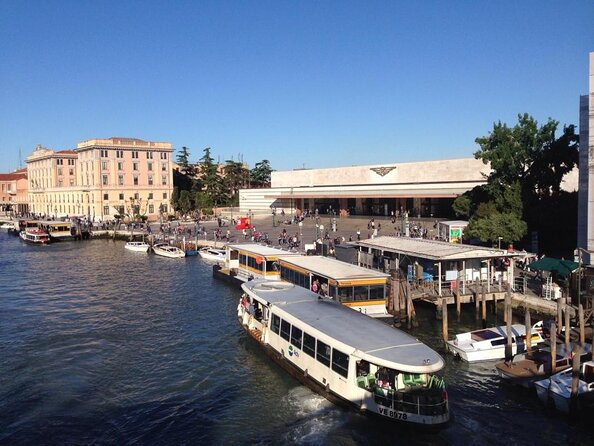
- Starting at the Venice train station: where movies kick off
- Campo del Ghetto: stepping into Senso in the Jewish Ghetto
- San Stae and the Grand Canal view: funeral boats in Don’t Look Now
- Grand Canal first rundown to Ripley apartments
- Rialto fish markets: terrace stunts and Bond illusions
- Santa Maria dei Miracoli: marble beauty and an Othello wedding
- Scuola Grande di San Marco: modern TV on an old stage
- Ca’ Rezzonico and La Fenice: Bond offices and the phoenix theater
- Scala Contarini del Bovolo and Desdemona’s legend
- Campo Santa Maria Formosa: Spiderman’s fake damage
- San Barnaba: Indy’s X, Hepburn’s fall, and more
- Hotels as set pieces: Gritti Palace and Hotel Danieli
- Basilica della Salute and Piscina Sant’Agnese: Ripley and joggers
- Doge’s Palace and San Marco Square: Bond toys, Ripley moments, and Othello drama
- Valerio’s approach: routes, clips, and getting off the mass trail
- Price and value: is $185.43 per person a fair deal?
- Who should book this Venice Film Tour
- Practical tips before you go
- Should you book it or skip it?
- FAQ
- How long is the Venice Film Tour?
- What is the price per person?
- Is the tour in English?
- Does it include a licensed guide?
- Are pickup options available?
- Is this tour private?
- Are entrance tickets included for the stops?
- Do I need good weather?
- Is there an extra access fee for some day visitors?
- Can I cancel for a full refund?
Key points to know before you book
- Valerio Coppo guides you through the scenes, with movie and city history woven together
- 2 hours, many stop-and-look moments across Venice, with free admission listed for each stop
- English commentary with a route designed for seeing more without feeling rushed
- Film clips on a tablet show up during the walk, so you connect location to scene fast
- Off-the-main-path routing helps you experience quieter corners of the city
- Good weather matters, because the tour is designed as a walk-through
How the 2-hour Venice Film Tour works (and why the format is smart)
This is a guided walking tour that aims to make Venice feel like a real movie set—without turning your day into a marathon. You’ll move from one recognizable location to the next, with short stops built for quick looking, photo time, and guide-led context.
The format is the real value. Venice is huge, and first-timers often waste time bouncing between major sights. Here, the route is shaped by film locations, which naturally pushes you to different parts of the city and helps you get your bearings fast. You’ll also notice that many stops are outside viewpoints: grand squares, canal edges, and church facades. That makes the timing workable even in short bursts.
You’re paying for three things: a licensed guide, the structure of a themed route, and time-saving navigation through Venice’s confusing layout. At $185.43 per person for about 2 hours, it’s not a budget stroll. But if you’ll actually enjoy films as a lens for seeing Venice, it’s a high-satisfaction way to spend a limited day.
Starting at the Venice train station: where movies kick off
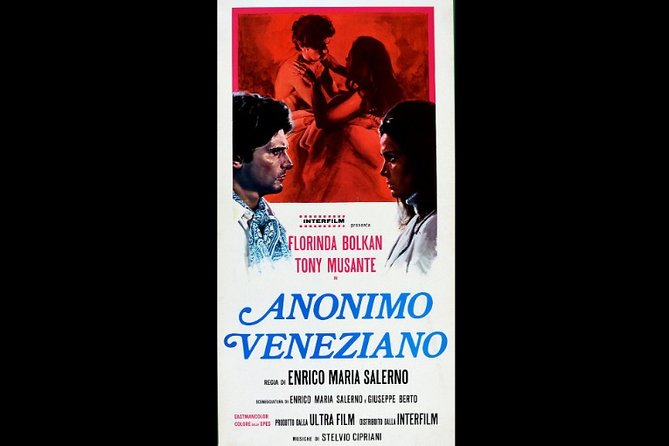
Most cinematic Venice starts at the station area. This stop connects to multiple films that use the arrival-and-departure energy of rail travel as a doorway into the story. It’s especially pointed for The Anonymous Venetian (1970), The Tourist (2010), and the older classic Venice, the moon and you (1958), including the famous “bizarre gondolier” moment featuring Alberto Sordi.
Why this works: it frames Venice as a place people enter before they understand it. After that, the route becomes easier to follow, because you’re linking each new neighborhood to the next scene.
Campo del Ghetto: stepping into Senso in the Jewish Ghetto
In campo del ghetto, you’ll be in the setting for the opening of the passion in Senso (1954), with Livia Serpieri and Franz Mahler. This is one of those stops where the “movie location” idea isn’t just trivia. It helps you read the area with fresh eyes, because you’re not only seeing a campo—you’re seeing a chapter of the story in physical space.
The stop is brief (about 15 minutes), so don’t expect a deep dive or a long stop inside any site. Instead, use it for orientation and atmosphere: look around, note how the space feels, and let the guide’s explanation do the heavy lifting.
San Stae and the Grand Canal view: funeral boats in Don’t Look Now
At the Chiesa di San Stae (Eustachio), you’ll get a scene-based payoff connected to the funeral boats in Don’t look back now (1973). The church’s baroque facade and its canal-facing position make it easy to understand why filmmakers liked this kind of dramatic framing over the Grand Canal.
This is also a good moment for photo timing. Even if you don’t shoot a “movie replica,” you can still appreciate how the canal and church stack visually.
Grand Canal first rundown to Ripley apartments
Next comes the Grand Canal, where the tour connects Venice to the very beginnings of cinema. Alexandre Promio boarded a gondola in 1896 and made one of the first known film runs—boats and workers at work—capturing the canal as a moving stage.
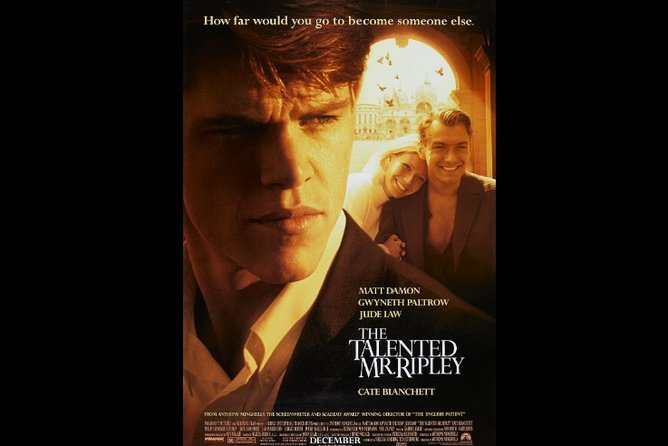
From there, you’ll connect the canal’s famous views to movies ranging from The Talented Mr. Ripley (1999) to The Merchant of Venice (2004). A neat detail here is the Ripley angle: the apartment shown is described as a blend of two buildings overlooking the canal. The point isn’t that Venice is “the set of one perfect building,” but that Venice keeps getting re-used because the canal look is instantly recognizable.
Rialto fish markets: terrace stunts and Bond illusions
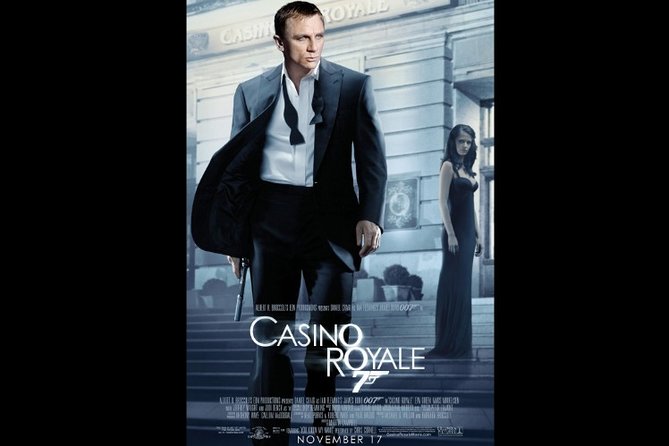
At Mercati di Rialto, you’ll reach the film moment from The Tourist (2010) where Johnny Depp launches himself from a terrace onto a stall. This is a practical stop: the fish market area is lively and textured, so the story fits the space.
On the far side of the canal, the tour also points out a James Bond location connected to Casino Royale (2006). The detail to remember: some of what you’ll associate with these sites is cinematic fiction, not a literal collapse you can confirm on foot. Still, it’s fun because it teaches you to separate real Venice from set dressing.
Santa Maria dei Miracoli: marble beauty and an Othello wedding
In Chiesa di Santa Maria dei Miracoli, the focus shifts to artistry. The church is known for polychrome marble, and the tour connects it to Orson Welles choosing this space for the wedding of Otello and Desdemona in Othello (1952).
The guide also points you toward the surrounding area, including a fictional flower shop location tied to Bread and Tulips (1999). Even when the film location is not the real thing you can visit, the tour helps you understand how filmmakers borrow real Venice settings for imagined stories.
Scuola Grande di San Marco: modern TV on an old stage
Scuola Grande di San Marco ties in the newer cinematic era with The New Pope (2019), directed by Paolo Sorrentino and starring Jude Law. It’s a reminder that Venice isn’t only a “period movie” city. It still works as a backdrop for modern storytelling styles.
This stop is short (about 15 minutes), which is ideal for a themed tour. You’ll see enough to connect the exterior look to the show, then move on before the walk loses momentum.
Ca’ Rezzonico and La Fenice: Bond offices and the phoenix theater
At Ca’ Rezzonico, the tour connects the palace to Moonraker (1979), where it was used as the fictional Drax’s office. This is a fun stop because it highlights how palaces get repurposed in film languages—turning luxury architecture into spy-movie rooms and power spaces.
Then you reach Teatro La Fenice. The story link here is Senso (1954), which begins during a performance of Il Trovatore. La Fenice also matters because it was rebuilt after the devastating fire in 1996, reopening in 2003. The irony is the “phoenix” name: it already had partial destruction from a fire in 1836 and had risen again. It’s the kind of detail that makes the guide’s commentary feel more alive than a generic landmark speech.
Scala Contarini del Bovolo and Desdemona’s legend
At Scala Contarini del Bovolo, you’ll hear a legend tied to Desdemona. In Othello (1952), Orson Welles selected this palace as Brabanzio’s home, even though the story is set in Cyprus. It’s a useful lesson in how films treat geography: the screen story doesn’t always match the map.
Even if you’re not hunting for exact Othello correspondences, the stone stairway structure is visually memorable. It’s also the kind of spot that makes the tour feel more playful—like you’re chasing a story instead of ticking a box.
Campo Santa Maria Formosa: Spiderman’s fake damage
In campo Santa Maria Formosa, the tour plays out a pop-culture moment from Spider-Man: Far From Home (2019). The “destroyed” section is fictional, created for filming, but the real beauty of the corner is still there for you to see.
Why I think this stop is worth it: it keeps the tour grounded. You get a reminder that movies often exaggerate. Then you still get the real Venice atmosphere back—no disappointment required.
San Barnaba: Indy’s X, Hepburn’s fall, and more
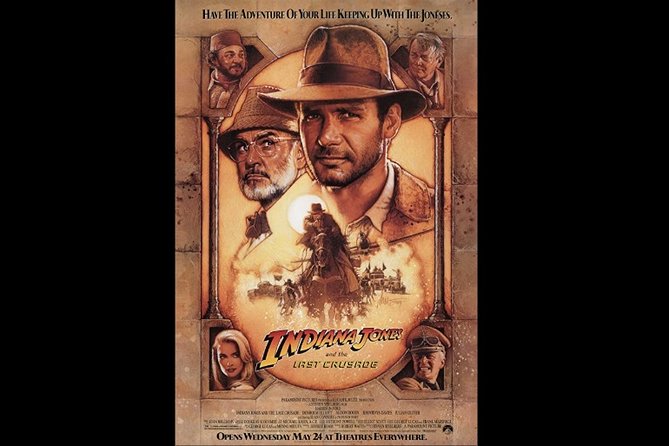
At campo San Barnaba, you’ll be near San Barnaba and the story tie-ins from Indiana Jones and other films. The tour describes the scene where Indiana Jones finds the X that never indicates where to dig in Indiana Jones and the Last Crusade (1989).
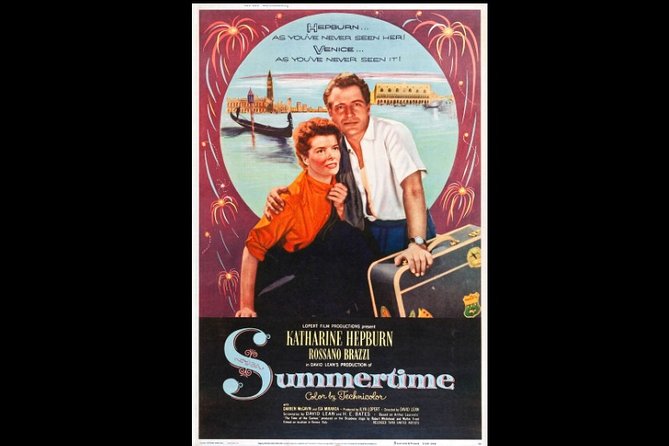
It also connects the area to Summer Time (1955), where Jane Hudson (Katharine Hepburn) is an American tourist with her camera and accidentally falls into the San Barnaba canal. Another title mentioned for this location is the remake of The Italian Job (2003).
This is the kind of stop where the guide’s route choice matters. You want to see the space at the angle that makes the stories feel believable. Since this stop is short (around 15 minutes), pay attention when Valerio sets the scene—you’ll get more from the explanation than from wandering.
Hotels as set pieces: Gritti Palace and Hotel Danieli
Venice’s luxury hotels show up repeatedly in cinema, and this tour uses that fact well.
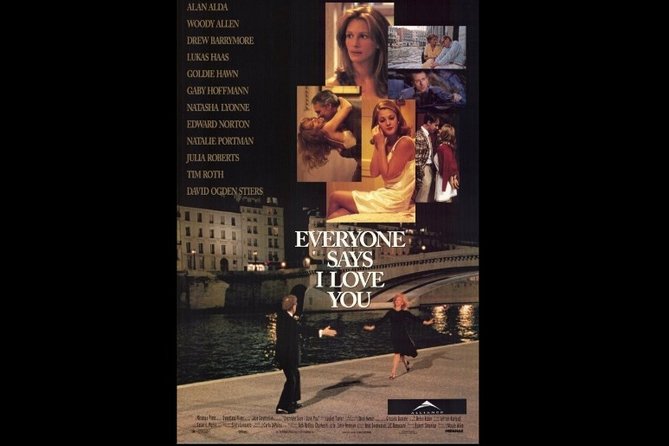
At The Gritti Palace, a Luxury Collection Hotel, Venice, you’re linked to its past role as a Doge’s family palace and the residence of Vatican ambassadors. In modern film usage, Woody Allen chose this hotel for scenes in Everyone says I Love You (1996), starring Julia Roberts. You also get the human touch: famous historical guests mentioned include John Ruskin, Ernest Hemingway, and Somerset Maugham. The point isn’t that you’ll tour the interior like a guest—you’re learning how real buildings become cinematic language.
Later, you’ll stop at Hotel Danieli, described as very luxurious and used in multiple film settings. It’s connected to Vittorio de Sica’s The Journey (1974) starring Sophia Loren and Richard Burton. It also appears in Moonraker (1979) as the hotel for Holly Goodhead. Another film tie-in here is Viaggi di Nozze (1995), where Raniero Cotti Borroni and Fosca spend their first tragicomic wedding night.
If you like seeing how filmmakers borrow prestige spaces for plot tension—this pair of hotel stops delivers. And because each stop is brief, you still keep the tour pacing.
Basilica della Salute and Piscina Sant’Agnese: Ripley and joggers
At Basilica di Santa Maria della Salute, the tour connects it to Lara Croft: Tomb Raider (2001). Here’s a key detail: while the scene is connected to this church, the room that appears on screen is actually the Painted Hall of the Old Royal Naval College in London. That mismatch is a helpful reminder that movies often mix locations.
The basilica also connects strongly to The Talented Mr. Ripley (1999). The tour describes the conversation behind Ripley happening with a view of the church, tied to the terrace of the Hotel Westin Europa & Regina on the other side of the canal.
Then you’ll visit Piscina Sant’Agnese, linked to Everyone says I Love You (1996), where Julia Roberts used to jog, and to Summer Time (1955), where Katherine Hepburn freshens up during the Venice scenes.
Even if you’re not a film buff, these stops give you a different angle on Venice: religious monument and everyday place (the pool area) side by side.
Doge’s Palace and San Marco Square: Bond toys, Ripley moments, and Othello drama
Finally, the tour lands in Doge’s Palace and the Piazza / San Marco square area, where multiple movie threads converge.
In Moonraker (1979), the tour highlights James Bond’s gondola-hovercraft as a memorable stunt tied to this area. It also connects to Casino Royale (2006), where Bond’s hotel has a view over San Marco square.
The guide also connects Orson Welles’s film Othello (1952) to the side facade south of the basilica for a dramatic dialogue between Brabanzio and Othello. Another connection is The Talented Mr. Ripley (1999): the tour says the final scene is set at tables of one of the cafes in the Piazza.
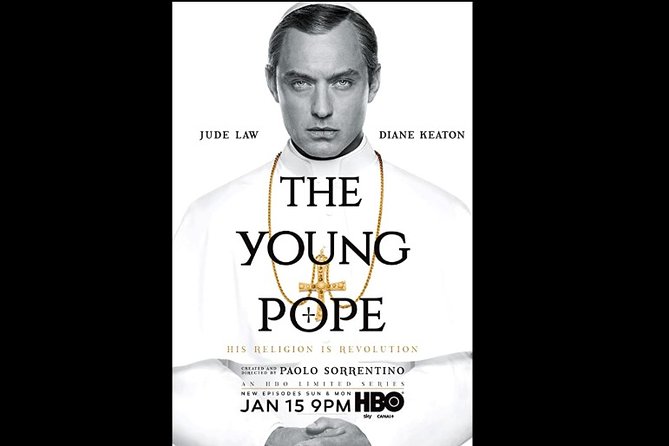
If you want one last modern note, the tour also points to scenes from Paolo Sorrentino’s series The Young Pope (2019), with Jude Law and Diane Keaton filmed around this square.
This closing stretch is the payoff of the whole theme. You started at the station; now you’re at the most iconic Venice stage. And the guide’s job is to help you connect the dots so you don’t just see buildings—you see story geometry.
Valerio’s approach: routes, clips, and getting off the mass trail
The big reason this tour gets strong ratings is the guide. Multiple comments mention Valerio as fun, outgoing, and notably good at making the movie references feel like part of the city, not a lecture.
One standout detail: there’s film feedback during the walk, with clips shown on a tablet. That matters for you because it reduces the mental work of remembering the scene. You see the location, hear the context, and then watch the clip. The whole city becomes a set you can recognize quickly.
Another highly praised element is route planning. People describe the tour as taking them far away from traditional tourist routes and into hidden spots. For you, that means less time stuck in crowds and more time in Venice corners that still feel local.
Finally, the guide reportedly shares extra Venice advice, including recommendations for good local restaurants. That’s a practical bonus if you want your Venice day to keep going after the tour ends.
Price and value: is $185.43 per person a fair deal?
At $185.43 per person for about 2 hours, you’re paying for more than sightseeing. You’re buying:
- a licensed guide (English)
- a structured, themed route that gets you through multiple neighborhoods
- fast, story-driven context tied to specific film locations
- a private format for your group
- short stops with free-listed admissions
If you love movies—classic or modern—this price makes more sense because the theme is doing real work for your enjoyment. It turns Venice from a “see more buildings” day into a “connect scenes to place” day. And when the guide helps you choose routes away from the biggest crowds, the time savings can feel worth it.
If you’re not into film at all, this could feel like trivia-heavy walking. In that case, you might prefer a general highlights tour or a food-focused Venice outing.
Who should book this Venice Film Tour
This is a great match if:
- you’re a cinema fan who likes recognizing locations
- you have limited time in Venice but want variety across neighborhoods
- you’d rather see hidden-feeling spots than queue for the most famous views
- you’re traveling with movie-loving kids, since the Spider-Man and Indiana Jones connections make it easy to stay engaged
It’s also a good choice if you like being guided. Venice is gorgeous but confusing. A route built around movie scenes gives you momentum instead of decision fatigue.
Practical tips before you go
Plan around walking. The stop durations are short (often 5 to 15 minutes), so wear shoes that handle cobblestones and uneven paths. If it’s hot, slow down and take cues from your guide’s pacing.
Because the tour is weather-dependent, keep an eye on forecasts. If it’s canceled due to poor weather, you’ll get a different date or a full refund, so don’t panic—just stay flexible.
One more Venice-specific note: on certain dates, some day visitors staying outside Venice may need to pay a €5 access fee. For exact days and exemptions, check the official guidance at https://cda.ve.it. If you’re unsure whether you fall into that group, it’s worth verifying before you arrive.
Also, tips aren’t included—so budget for gratuity if you like what you get.
Should you book it or skip it?
Book this tour if you want Venice to feel like a movie you can walk through. The combination of Valerio’s commentary, the structured route, and the scene-to-place connections (including clip references on a tablet) make it a fun, efficient use of a couple hours.
Skip it if you want a slow pace, long interior visits, or a tour that doesn’t lean on film references. This one is built for movement and recognition, not for sitting down for hours.
My take: if you’re even moderately interested in film, this is one of the more satisfying ways to spend time in Venice without ending the day feeling like you only saw the same postcard angles.
FAQ
How long is the Venice Film Tour?
It lasts about 2 hours.
What is the price per person?
The tour costs $185.43 per person.
Is the tour in English?
Yes, it’s offered in English.
Does it include a licensed guide?
Yes. A licensed tour guide is included.
Are pickup options available?
Pickup is offered.
Is this tour private?
Yes. It’s a private activity, so only your group participates.
Are entrance tickets included for the stops?
The stops listed on the route have admission ticket free noted for each location.
Do I need good weather?
Yes. The experience requires good weather. If it’s canceled due to poor weather, you’ll be offered a different date or a full refund.
Is there an extra access fee for some day visitors?
On certain dates, day visitors staying outside of Venice may need to pay a €5 access fee. You can check applicable days and exemptions at https://cda.ve.it.
Can I cancel for a full refund?
Yes. You can cancel up to 24 hours in advance for a full refund.