REVIEW · SPLIT
Game od Thrones- Klis Tour_Authetich Local Food/Wine Tasting
Book on Viator →Operated by My Split Tours - travel agency · Bookable on Viator
Klis is a short ride from Split, but it feels worlds away. This tour strings together fortress views, a village history stop, and a real family-style Soparnik food moment. My favorite part is seeing how the meal is made the old way, not just served to you. One heads-up: it is a countryside day, so the walk-and-stand time at the fortress can be tiring if you dislike steep stone.
I also like that it stays practical and human-sized. You get pickup offered, a small group vibe (maximum 14), and a day that runs about 5 hours without turning into a rushed checklist. If you hate driving on winding roads, plan to go in with that in mind.
The guide quality is part of the magic. I’ve seen guides like Jure and Ivan (among others) run the story with the kind of calm detail that makes history feel usable, then bring you right into the food.
In This Review
- Quick highlights
- Klis Fortress on a Steep Cliff: The Game of Thrones Feel, Without the Theme Park
- Gata Village and the Poljička Republic: History With Local Names
- Eko-Etno Sela Tugare: Where Soparnik Stops Being a Word
- Soparnik Tradition in Action: The Middle-to-Edges Method and the First Cut
- Bucara Wine With the Steamer Ritual: Simple, Local, and Not Overhyped
- Price and Logistics: $417.68 per Group, and Why the Value Can Make Sense
- Who This Tour Fits Best (and Who Should Rethink It)
- My Decision Guide: Should You Book This Klis Food and Wine Tour?
- FAQ
- What is the duration of the Klis tour with Soparnik and wine?
- How many people are on the tour?
- Is pickup available?
- Where does the tour start and end?
- What are the main stops during the tour?
- What exactly is Soparnik in this experience?
- Is there a cancellation option if plans change?
Quick highlights
- Klis Fortress: free entry and big viewpoint energy from a steep cliff pass
- Gata village time: learn about the Poljička republic and see the local historical museum area
- Soparnik made on site: traditional shaping from the middle toward the edges
- UNESCO intangible heritage food: you hear the ritual and taste the result
- Wine served in the tradition: bucara, steamer placement, and the cut-then-taste sequence
- Small-group pacing: about 5 hours total with stops of 2h, 2h, then ~1h
Klis Fortress on a Steep Cliff: The Game of Thrones Feel, Without the Theme Park
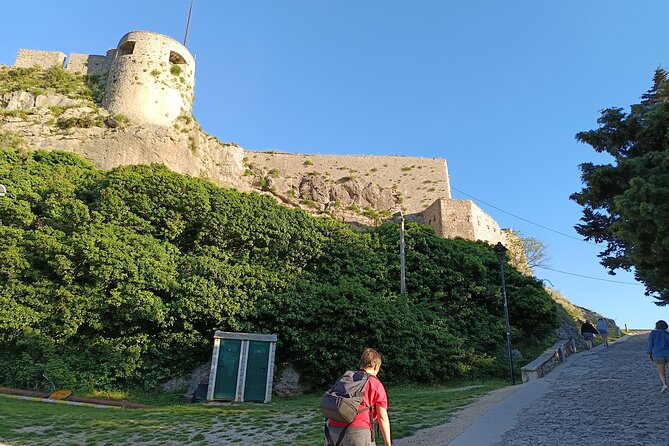
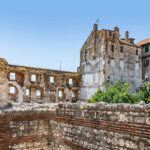
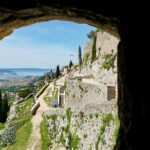
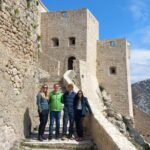
Klis Fortress sits on an inaccessible steep cliff between the Kozjak and Mosor mountain massifs. That strategic location is the point: from here, you could control movement through the passage, not just admire it from below. Even if you are not thinking about TV, the geography makes sense the moment you see it.
This stop runs about 2 hours, and the best part is that it is not another museum line. You get time to take in the views, absorb the fortress setting, and understand why it mattered in Croatian history. The entry ticket for the fortress is listed as free, which makes this part easy on your budget.
Practical note: you should expect uneven footing and some standing time. The fortress is built for defense, not comfort. If you have mobility limits, go slow and choose your moments for photos.
You can also read our reviews of more tours and experiences in Split.


Gata Village and the Poljička Republic: History With Local Names
After Klis, you drive to Gata, where the story shifts from cliff fortification to community identity. This is where the Poljička republic was established, and it lasted about 30 years. That duration matters. It is long enough to see governance in action, but short enough to feel like a chapter the village still remembers.
You spend about 2 hours in Gata, with a local guide meeting you there. The tour also includes a historical museum element in the area, so you are not only walking and listening—you get a chance to see context in a more structured way. Admission is listed as free for this part too.
What I like about this stop is the pacing. You are not bouncing from one quick photo spot to another. You get time to connect the political story to place, which helps the whole day click.
One consideration: Gata is above the immediate coast area (the tour positions it around the Omiš region). That can mean cooler air and more wind than Split. A light layer can save you later.
Eko-Etno Sela Tugare: Where Soparnik Stops Being a Word
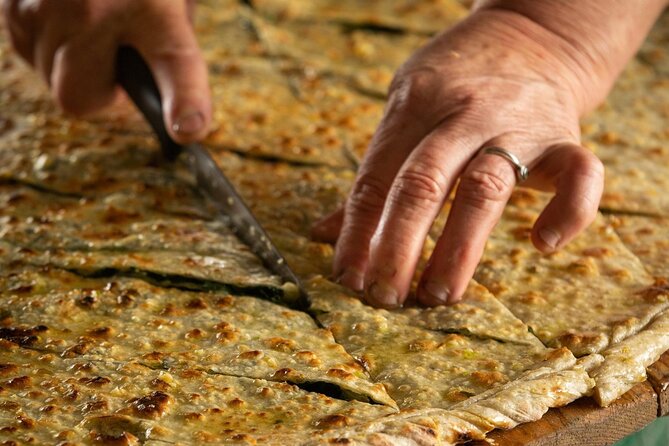
Around 15:00, you arrive at Eko-etno sela Tugare in Central Dalmatia for the food focus. This is where you go beyond tasting and actually watch and understand how Soparnik is produced. The tour frames it as Croatian pizza, but it’s more specific than that—and that’s why this stop works.
You spend about 1 hour here, typically at a local family-style restaurant setting where they make the soparnik. The timing is smart. You’ve already built up the day with viewpoints and village history, so your hunger hits naturally rather than too early.
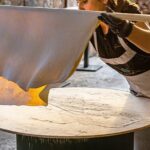
The key detail you should care about: soparnik is traditionally shaped starting in the middle and moving out toward the edges. Then comes a ritual twist—the guest of honor gets the first rhombus from the middle. You’ll see how the cutting and portioning fits the tradition, not just how it tastes.
Also, Soparnik is on the UNESCO list of protected intangible heritage. That label can sound abstract, but here it shows up as procedure: how they portion, how they serve, and how the food is treated like culture, not only calories.
Soparnik Tradition in Action: The Middle-to-Edges Method and the First Cut
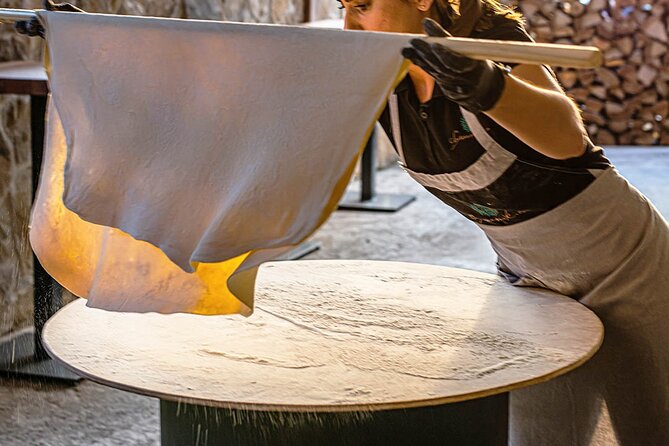
This is the part I’d highlight for anyone who likes food that has rules. Soparnik isn’t just stretched and cooked; it follows a method. You start from the middle, work outward, and end up with a shape that’s meant to be portioned in a particular way.
The tour’s description includes a clear service tradition that you can picture while you eat. After cutting, wine is placed in a bucara and set in the middle of the steamer. Then the meal proceeds by taking four pieces. It’s a sequencing thing: cut, steam placement, then tasting in portions.
What’s valuable for you: when you understand the sequence, the flavor feels more intentional. You stop eating randomly and start eating with context. That makes the dish more memorable, and it also helps you spot the difference between a tourist version and the real local rhythm.
One small caution: because you are trying a traditional meal format, you might prefer to arrive hungry. If you snack heavily earlier in Split, the soparnik moment won’t land as hard.
Bucara Wine With the Steamer Ritual: Simple, Local, and Not Overhyped
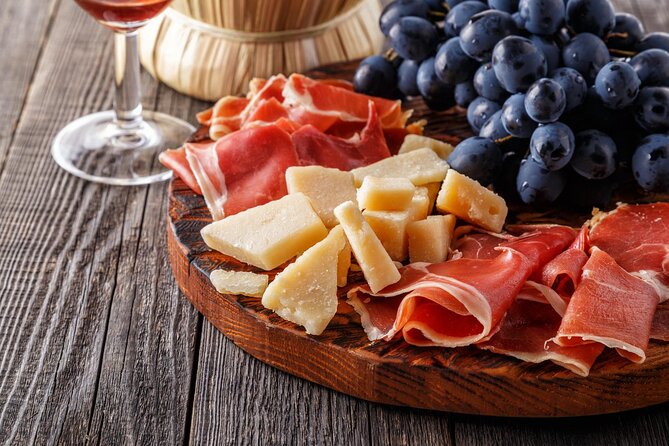
Wine tasting is included, and the serving method is part of the experience—not just a separate sip. The tour notes the wine comes in a bucara, and it gets placed in the middle of the steamer after the soparnik is cut. Then you take the meal in the set of four pieces.
This is a good “middle ground” tasting for people who don’t want a full wine tour day. You get enough wine to understand the pairing style and taste the local approach, but the focus stays on the food tradition itself.
If you are sensitive to alcohol, go easy on the first portions and slow down. The day is only about 5 hours, with extended time at two earlier stops. You want your energy to last through the meal and the return.


Price and Logistics: $417.68 per Group, and Why the Value Can Make Sense
The price is $417.68 per group (up to 8) for an experience that lasts about 5 hours. That matters because you are not paying per person in the usual way. If your group fills closer to 8 people, the per-person cost can feel reasonable compared with tours that charge solo or couple rates.
If you are booking as just one or two people, you should treat it as a shared-group deal and verify how the operator plans to slot you into the group size they can manage. The tour notes a maximum of 14 travelers, so there’s still some grouping efficiency even with a wider cap.
Pickup is offered, and that’s a real value add in Split. A food day + fortress walking day is easier when someone else handles the first mile. The meeting point is Split Riva 21.000, and the tour ends back at that same meeting area, which keeps your return simple.
Admission being free for Klis Fortress and the Gata stop also helps. You can spend your money on the right kind of day—time and tastings—without surprise entry fees stacking up.
Who This Tour Fits Best (and Who Should Rethink It)
I think this tour is best for you if you want a Dalmatian day that mixes place and food. You get scenic context at Klis, a real village history stop in Gata, and then a proper soparnik making-and-tasting experience with wine.
It’s also a strong fit if you enjoy small-group tours. With a maximum of 14, the vibe is more likely to feel like a guided outing than a herd. And most travelers can participate, which suggests they expect a range of comfort levels.
You might want a different option if you dislike steep or uneven surfaces. The fortress is on a steep cliff by design, and even if you do only the parts you can handle, you’ll still have some standing and walking. Also, this is outdoors for major chunks of the day, so weather can change your comfort level.
My Decision Guide: Should You Book This Klis Food and Wine Tour?
Book it if:
- You want the Soparnik experience done as tradition, not just as a plate to order
- You care about how local food rituals work (the middle-to-edges shaping, the honored first cut, the steamer + bucara wine sequence)
- You like a day with both views and story, without spending extra on entry tickets for the main sights
Skip it or compare if:
- You need a very low-walking day (fortress footing can be tougher than it looks)
- You want a longer sit-down meal with lots of wine focus (this tour keeps wine tied to the food ritual, not to a full winery format)
If your travel style is part sightseeing, part eating with meaning, this tour is a solid choice. The best value is in the combination: fortress setting + village history + UNESCO-linked food you actually watch get made.
FAQ
What is the duration of the Klis tour with Soparnik and wine?
The tour runs for approximately 5 hours.
How many people are on the tour?
The experience has a maximum of 14 travelers. The price is listed per group up to 8.
Is pickup available?
Yes, pickup is offered.
Where does the tour start and end?
It starts at Split Riva 21.000, 21000 Grad, Split, Croatia and ends back at the same meeting point.
What are the main stops during the tour?
You visit Klis Fortress, then Gata (including a historical museum element), and later stop at Eko-etno sela Tugare for Soparnik preparation and a wine tasting.
What exactly is Soparnik in this experience?
Soparnik is traditional Croatian food described here as Croatian pizza. You’ll see how it is produced, including the traditional method of shaping from the middle toward the edges.
Is there a cancellation option if plans change?
Yes. Free cancellation is available up to 24 hours in advance for a full refund.