A windy history lesson with a camera plan. This private Outlander & Highlands photography tour turns the day into something you can actually use: you get a guide who thinks in angles and light, plus a route that hits Culloden, Clava Cairns, and Cawdor Castle. I also like that it’s not just “see the sights.” You get practical coaching for photographing lochs, glens, wildlife, and more.
The biggest upside is the pace and setup: you’re in a private vehicle with pickup offered from Inverness-area hotels, and your group stays together the whole time. One small consideration: several top stops require paid entry tickets (Culloden, Cawdor Castle, Fort George), so budget for those extras.
In This Review
- Key highlights worth knowing before you go
- Why this Outlander-style photo tour feels different from a typical day trip
- Morning pickup and the camera mindset for Highland light
- Stop 1: Culloden Battlefield, the visitor centre first (and why that order matters)
- Stop 2: Clava Cairns standing stones and the Outlander tie-in
- Stop 3: Cawdor Castle, medieval bones and a Jacobite twist
- Stop 4: Fort George, a big military site you can walk inside
- Stop 5: Wardlaw Mausoleum and the Simon Fraser twist
- What this day costs, and why it may be worth it anyway
- Practical tips that make the 8 hours work smoothly
- Who this tour is best for (and who should think twice)
- Should you book the Private Outlander & Cawdor Castle Tour?
- FAQ
- What time does the tour start?
- Is hotel pickup available?
- Is this tour private?
- What’s included in the tour price?
- Is lunch included?
- Are tickets for the sites included?
Key highlights worth knowing before you go
- Private photography coaching focused on how to shoot Highlands scenes, not just where to stand
- A smooth, all-in-one route from Inverness that pairs Jacobite sites with photo-friendly stops
- Culloden plus the visitor centre first, so the battlefield makes sense fast
- Clava Cairns (free entry) adds an Outlander connection with time-travel standing stones inspiration
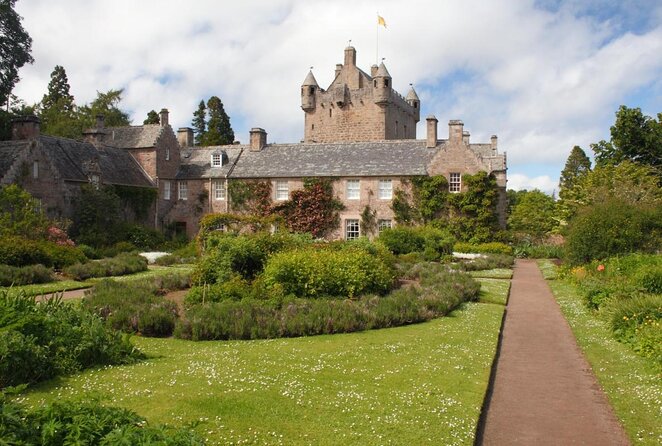
- Cawdor Castle’s mix of medieval and Jacobean life, while the family home detail keeps it grounded
- Fort George as a living museum with specific rooms you’ll visit inside the ramparts
Why this Outlander-style photo tour feels different from a typical day trip
This tour is built for people who want more than photos of buildings and battlefields. The photography angle matters because the day has changing “targets”: wind-swept moorland, standing stones, castle interiors, and a big military site. With the guide coaching your approach, you’re not just wandering. You’re learning how to see.
Two things I really value are the structure and the flexibility. The route is tight enough that you see a lot in an 8-hour window, but it’s also guided in a way that helps you respond to weather and light. And because it’s private, you’re not getting dragged along by a big group tempo. You can ask questions, adjust your position, and re-shoot if conditions shift.
The other thing: you’ll learn the story behind what you’re photographing. That matters at places like Culloden. If you only see the moor, it can feel like any Scottish hillside. Once you understand what happened there and why the ground looks the way it does, the photos start carrying meaning.
You can also read our reviews of more tours and experiences in Inverness.
Morning pickup and the camera mindset for Highland light
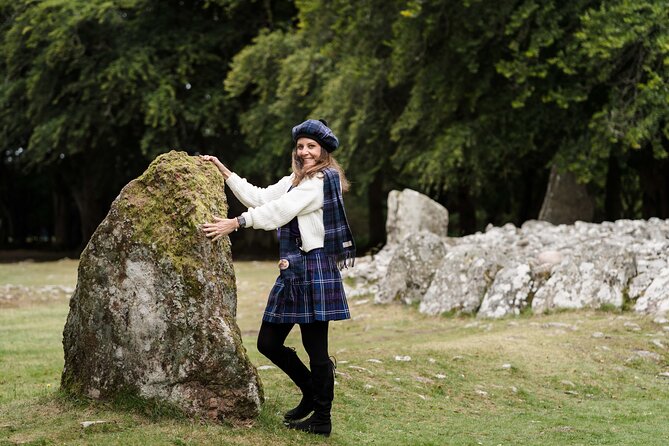
You start around 8:30 am in Inverness, with pickup offered for selected hotels and accommodation within about 5 miles of Inverness. You travel by private vehicle, and you’ll get bottled water plus small snacks, and the tour includes whisky.
That setup is practical for a photography day. Long drives and multiple stops can turn into a hunger-and-thirst spiral if you don’t have basics handled. With water and snacks already covered, you can stay focused on shooting and not losing time.
The guide’s job isn’t just to point out famous views. It’s to share how to photograph lochs, glens, wildlife, and general Highlands scenes. Even if you’re not an expert, you’ll likely walk away with a few repeatable habits: how to think about background layers in glens, how to handle bright skies over lochs, and how to look for wildlife moments before they happen.
Stop 1: Culloden Battlefield, the visitor centre first (and why that order matters)
Culloden Battlefield is the kind of place that can surprise you. From a distance, it can look like ordinary hillside. Then you reach the key spots and the scale of the event becomes clear.
Your first meaningful moment is the low-lying visitor centre, which covers the build-up to the Battle of Culloden on 16 April 1746. That context is not a small extra. It changes the way you photograph the battlefield. Instead of a “wide shot of moor,” you start seeing the human geometry of it: where the key landscape features sit, how the conditions shaped what happened, and where memorial points lead your eye.
After the visitor centre, you go onto the battlefield with your guide. You’ll see the cairn marking a focal location in the middle of the field, and you’ll also see the mass graves with basic tombstones. You’ll also visit Leanach Cottage, described as a small croft building that doubled as a field hospital nearby.
Photography note: this is not the place for only wide panoramas. If you’re carrying a camera, you’ll want to work from both levels: wide framing for the moor’s atmosphere, and tighter shots that help tell the story of memorial stones and surrounding ground. The battlefield is evocative, and it lends itself to portraits of place—especially when the wind and clouds are doing their thing.
Timing and tickets: plan around 1 hour at Culloden, and the admission ticket isn’t included in the tour price.
Stop 2: Clava Cairns standing stones and the Outlander tie-in
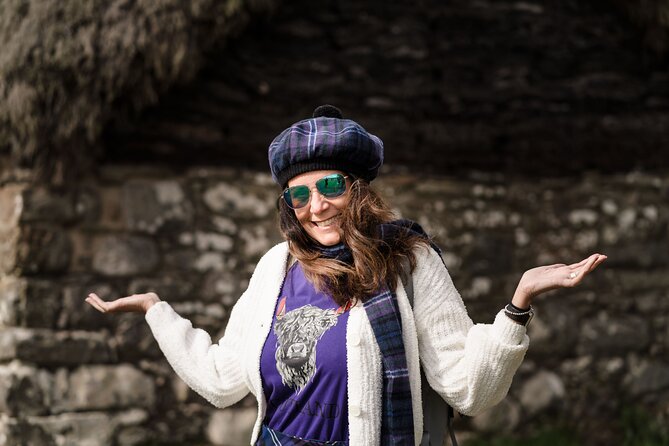
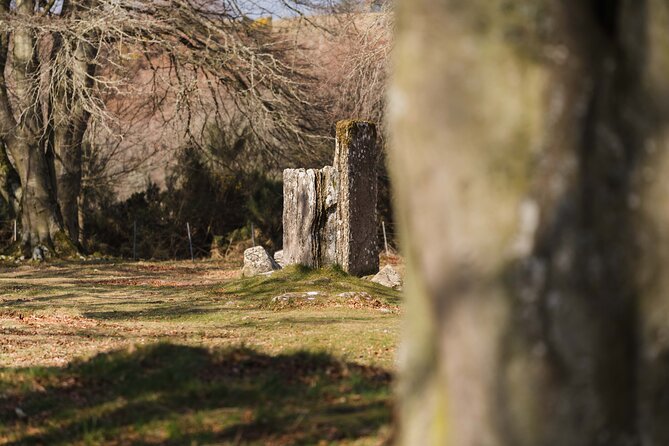
Next comes Clava Cairns, a Neolithic standing stone site. The tour connection is specific: it’s the kind of place that gave Diana Gabaldon the idea for time-travelling standing stones.
This stop is short—about 20 minutes—and that’s a good thing. Standing stone sites can make you linger, and then you lose time for the interior places later. With a defined stop length, you can get your bearings, shoot a few angles, and move on.
Photography note: stones are great for practice. You can work on framing and perspective without needing perfect wildlife action. If the sky is flat, try composition tricks: put the stones off-center, include leading lines from surrounding ground, and watch for how shadows fall across the stone faces.
Tickets: entry is free for this stop.
Stop 3: Cawdor Castle, medieval bones and a Jacobite twist
Then the day shifts from open-air atmosphere into something more intimate: Cawdor Castle. This is one of those places that helps you understand Highland aristocratic life without turning it into a museum-only experience.
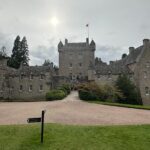
You’ll explore the 15th-century castle, and you’ll also see how it changed over time. The Jacobite connection is key: in the 18th century, the Thanes of Cawdor backed Bonnie Prince Charlie and the Jacobite cause. After the defeat in 1745 and the outcome at Culloden, the family later shifted and chose to live on their Welsh estates instead—described as a safer direction politically after what happened to Jacobite supporters.
Here’s what I like from a visitor perspective: because the family’s situation changed, Cawdor was spared Victorian modification, so you get a combined feeling of an authentic medieval castle plus comfortable Jacobean house elements. And it’s still a family home, so the interiors feel less staged.
You’ll have about 1 hour here, and Cawdor Castle and Gardens run on set season hours, listed as open from 30 April to 2 October, daily 10:00 am to 5:30 pm (last entry 5:00 pm).
Tickets: admission isn’t included.
Photography note: interiors can be tricky with low light. You’ll want to be realistic with expectations. Focus more on composition, textures, and storytelling than trying to force bright, crisp shots in dark rooms.
Stop 4: Fort George, a big military site you can walk inside
After the castle, you drive to Fort George, a major military complex built after the Battle of Culloden. The tour frames it well: Scotland’s military strengthening followed the events around Culloden, and Fort George is one of four new barracks, described as the largest.
This matters because the site gives you a different kind of history. You’re no longer in moor-and-memorial mood. You’re in ramparts, heavy guns, and buildings built for defense. Strategically, it’s located jutting into the Moray Firth, which helps explain the monumental feel of the fort.
You’ll visit key areas listed by the tour: the Grand Magazine, Barracks, Highlanders’ Museum, and the Chapel. The opening feeling when you step inside is described as time-travel-like—because you’re walking into structures that were made to function as a system, not just as decoration.
Timing and tickets: plan around 1 hour. Entry isn’t included. Opening hours change by season:
- 1 April to 30 September: daily 9:30 am to 5:30 pm, last entry 4:30 pm
- 1 October to 31 March: daily 10:00 am to 4:00 pm, last entry 3:00 pm
Photography note: forts are excellent for architectural shots—symmetry, walls, and repetition. The challenge is finding spots where the sky and sea don’t blow out your highlights. If the weather is bright, you’ll likely get better results by watching exposure and shooting a mix of wider and medium views.
Stop 5: Wardlaw Mausoleum and the Simon Fraser twist
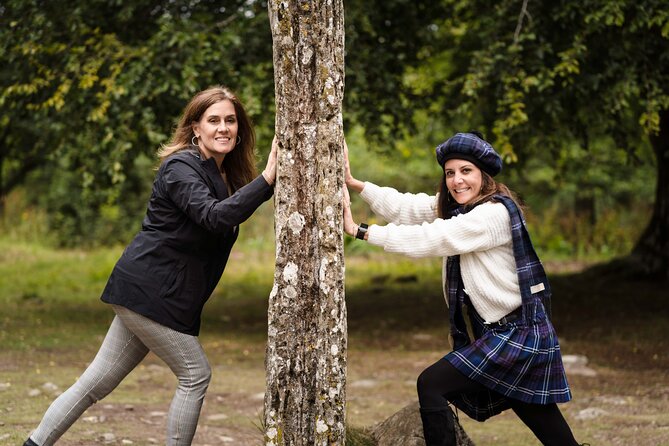
The last stop is Wardlaw Mausoleum, near the small village of Kirkhill outside Inverness. This is a shorter visit—about 20 minutes—but it has a strong story, because it’s tied to Simon Fraser, the 11th Lord Lovat, nicknamed locally The Old Fox.
The tour’s framing is direct: Fraser didn’t hide his Jacobite allegiance. He was executed for treason at the Tower of London in 1747. The story includes a twist—there was a claim that he was buried at the Tower, but clan Fraser men returned his headless remains to Scotland, where he was buried in the family mausoleum.
You’ll learn the full twist when you visit. For photography, this isn’t about dramatic “views” as much as it is about atmosphere, gravestone detail, and how the setting looks like it’s been waiting for time to pass.
Tickets: entry is listed as free.
What this day costs, and why it may be worth it anyway
At $436.41 per person, this isn’t the cheapest way to see the Inverness area. But you’re buying a few things that add up fast if you price them separately.
First, it’s private. That means a dedicated vehicle and guide time for your group, not a shared schedule with strangers. Second, it includes food basics (snacks and bottled water), plus whisky. Third, and most important for value: the tour isn’t only about access—it’s about photo guidance. You’re getting tips for photographing lochs, glens, wildlife, and more, and the guide’s photography skill shows up in the style of the experience.
If you care about photos and you’d rather learn while you go, the cost starts to look more sensible. If you already feel confident as a photographer and you’d rather self-drive at your own pace, you might prefer a cheaper route. But for many people, this setup is a time-saver and a skill-builder in one day.
Practical tips that make the 8 hours work smoothly
Weather in Scotland can be unpredictable, and the tour specifically advises you to dress for any weather, including heavy rain in summer. I’d treat this as a serious hint. Your best photos—and comfort—depend on staying dry and warm enough to keep shooting.
Also, bring realistic expectations for time. This is a tightly planned day: Culloden, Clava Cairns, Cawdor Castle, Fort George, and Wardlaw Mausoleum, plus driving. You’ll get out and shoot, but you won’t have the freedom to linger for hours at one stop.
One more practical point: admission tickets aren’t included for major sites (Culloden, Cawdor Castle, Fort George). So you’ll want to mentally separate what you’re paying for the guide/vehicle and what you’re paying for entrances.
Who this tour is best for (and who should think twice)
This tour is a strong fit if you want:
- Private time with a guide and a camera-focused plan
- The Outlander-adjacent connections (Clava Cairns’ creative link and the Jacobite storyline thread)
- A mix of open-air and indoor history in one day
It’s especially ideal for people who like learning on the move. A review notes the guide Ryan was excellent to work with and that the day taught a lot—plus the fact that Ryan is a very good photographer. If you’re traveling with a family member who wants both story and activity, that kind of guidance can really change the experience.
If your main goal is to see as many sites as possible with minimal cost, or if you hate structured stops, you may find the day a bit “busy.” In that case, a self-drive itinerary might suit you better.
Should you book the Private Outlander & Cawdor Castle Tour?
Yes, I’d book it if you want a guided day that improves your photos while you see meaningful Scottish history. The standout value here is the combination: private transport + photo coaching + a route where the story actually makes the scenery work.
I’d think twice if you prefer full independence, or if you’re sensitive to paying additional entrance fees at multiple stops. Also, if your camera approach is already highly dialed in and you don’t care about learning new angles, you might not feel the value of the coaching.
For most people who like authentic places, clear context, and better photos from the Highlands, this one is a good bet.
FAQ
What time does the tour start?
The start time is listed as 8:30 am.
Is hotel pickup available?
Pickup is offered from selected hotels only, specifically hotels in Inverness and those within 5 miles. You need to share your accommodation details when booking.
Is this tour private?
Yes. It’s a private tour/activity, meaning only your group participates.
What’s included in the tour price?
Included items are small snacks, bottled water, hotel pickup and drop-off (selected hotels), transport by private vehicle, and whisky. A guide is also included.
Is lunch included?
Lunch is mentioned as included in the tour features. The tour also lists snacks, bottled water, and whisky as included, and notes that food and drinks aren’t included beyond what’s stated.
Are tickets for the sites included?
No. Admission tickets are not included for Culloden Battlefield, Cawdor Castle, and Fort George. Clava Cairns and Wardlaw Mausoleum are listed as free entry.